Turning Industrial Byproducts Into Profitable Business Ventures
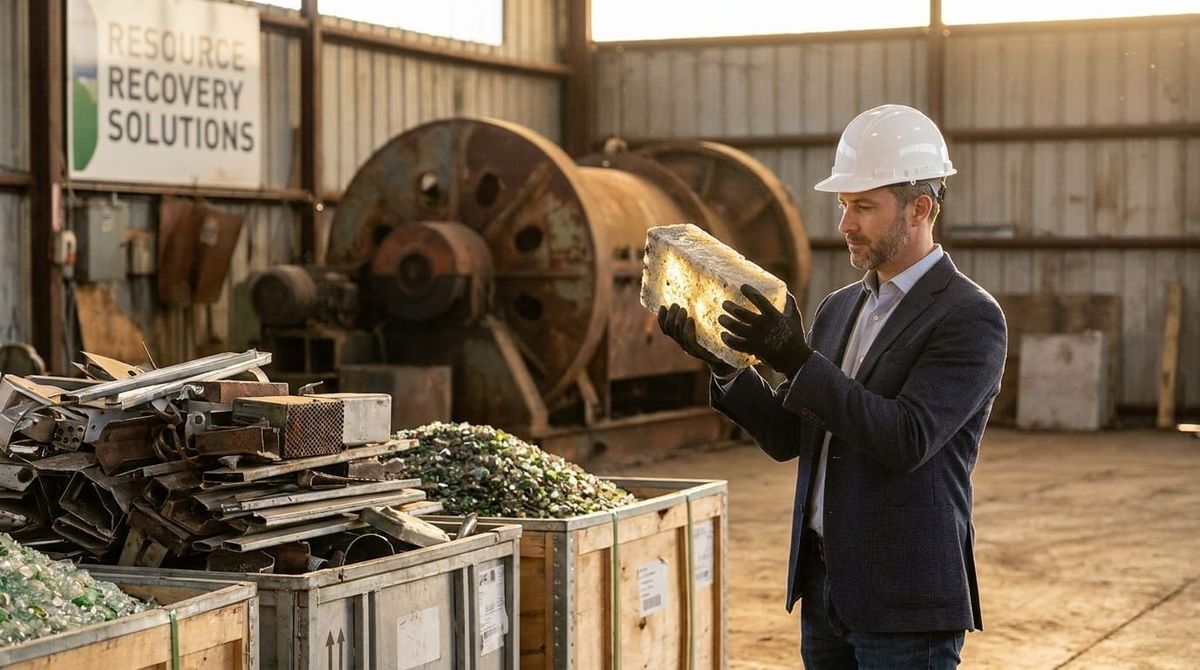
The Unseen Asset Class
In the world of finance, we are trained to look for growth in expected places-in technology stocks, real estate, and emerging markets. We build complex models to forecast earnings and chart market trends. Yet, some of the most compelling opportunities for financial growth are not found on a stock ticker but in the overlooked corners of the industrial economy. They exist in the steam rising from a power plant, the sawdust carpeting a lumber mill floor, and the spent grain left over from a brewery. These are not waste streams; they are misunderstood asset streams, and recognizing their potential is a hallmark of sophisticated capital allocation.
The concept is straightforward: one industry's byproduct becomes another's raw material. This isn't a new idea, but the economic and regulatory tailwinds behind it have never been stronger. Rising landfill costs, tightening environmental regulations, and a powerful consumer shift toward sustainability have transformed this niche into a formidable sector. The practice, often called 'waste valorization', moves beyond simple recycling. It is the industrial-scale conversion of low-value outputs into high-value products, creating entirely new revenue channels from what was once a liability on a balance sheet.
Identifying and Quantifying the Opportunity
Locating a viable byproduct stream requires a specific kind of analysis. It begins not with a product idea, but with a deep understanding of an industrial process. Consider the manufacturing of cheese. For every pound of cheese, producers are left with up to nine pounds of whey, a watery liquid that was historically discarded. For decades, this was a costly disposal problem. Then, innovators developed processes to isolate the valuable proteins within it. Today, whey protein is the foundation of a multi-billion dollar sports nutrition industry. The opportunity was always there, waiting for the right technology and market perception to converge.
The initial due diligence for an investor is critical. The first question must be about consistency and volume. Is the byproduct stream reliable enough to support a commercial enterprise? A seasonal operation yields a different risk profile than a 24/7 manufacturing plant. The second question is about composition. A detailed chemical analysis is non-negotiable. What valuable compounds exist within the stream, and what contaminants must be removed? Fly ash from coal combustion, for example, is a valuable additive for concrete, but its quality can vary significantly depending on the source coal and the plant's operational parameters. Only with this data can one begin to assess the required processing technology and the capital expenditure it demands.
A Practical Framework for Evaluation
Let's apply this thinking. Imagine an investor, Mira, is evaluating the potential of grape pomace, the solid remains of grapes after pressing for wine. Millions of tons are produced annually. Instead of viewing it as waste to be composted, she sees a collection of assets. The seeds can be pressed for high-value grape seed oil. The skins contain antioxidants for the nutraceutical market and natural colorants for the food industry. The remaining fibrous material can be processed into a gluten-free flour alternative or even bioplastics.
Mira's analysis would not be a simple back-of-the-napkin calculation. It would involve a rigorous model accounting for the cost of collection and transportation from wineries, the capital investment in extraction and refining equipment, the operational costs of the plant, and a clear-eyed assessment of the market prices for each end product. She would need to understand the logistics of a fragmented supply source and build a business case that is profitable even with fluctuating commodity prices. This is not speculative; it is a calculated, data-driven investment in industrial efficiency.
Portfolio Integration and Risk Management
Ventures built on industrial byproducts offer unique characteristics for a diversified portfolio. Because their success is tied to industrial output and specific commodity markets rather than the broader swings of the S&P 500, they can serve as an effective hedge. Their performance is driven by factors like disposal costs-a form of negative pricing-and the demand for specialized, sustainable materials. This creates an asset that is often uncorrelated with traditional equity and bond markets, providing a layer of stability and a source of alpha.
Investment can take several forms. Direct private equity investment into a startup that has developed a novel processing technology is one route, offering high risk and high reward. A more conservative approach involves identifying publicly traded companies that are leaders in the circular economy, such as waste management firms that are heavily investing in resource recovery or chemical companies developing new applications for recycled materials. The key is to look for businesses with a defensible technological edge and a scalable model for sourcing and processing byproducts. The value is not just in the idea, but in the execution and the economic moat built around the logistics and technology.
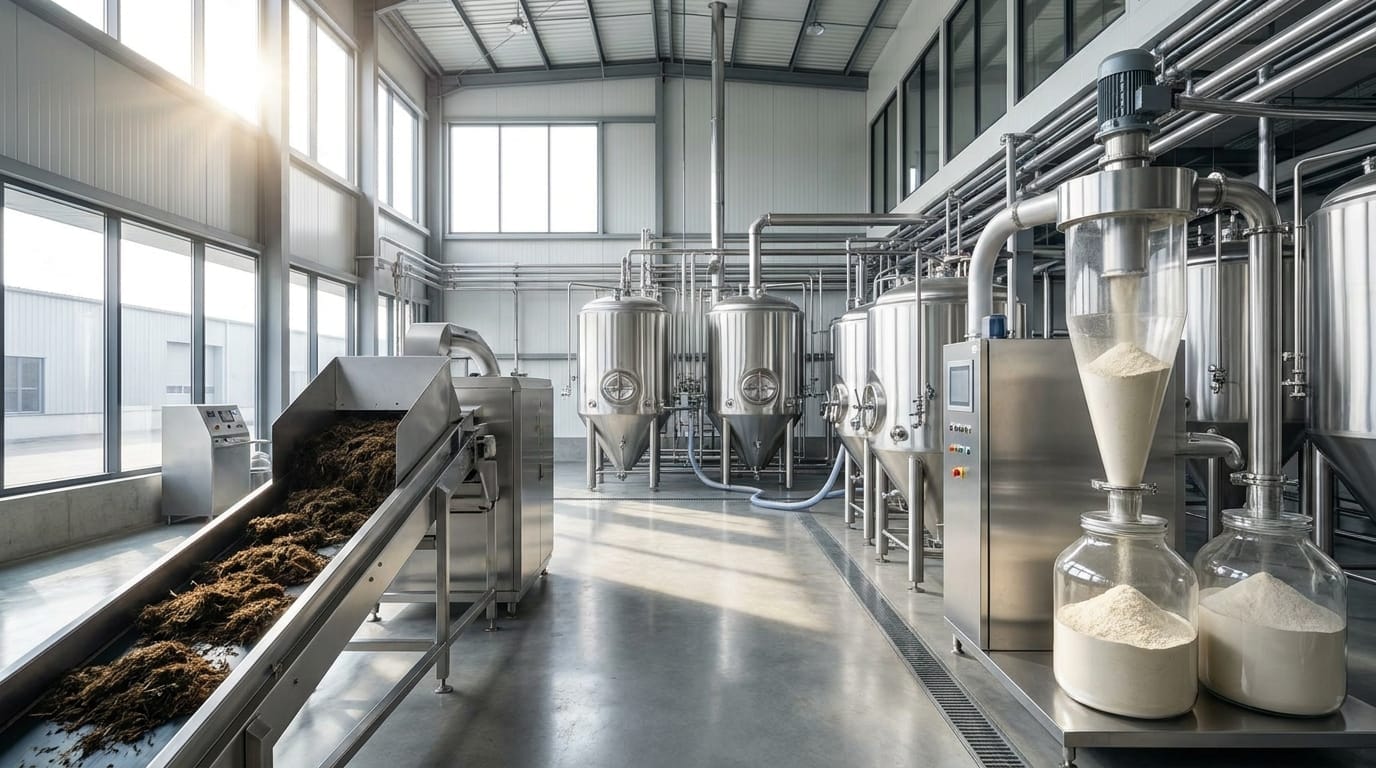
Ultimately, the transformation of industrial byproducts into profitable ventures is a story of perspective. It requires a shift from viewing the world in terms of linear production-take, make, dispose-to a circular model where every output is a potential input. For the astute investor, this is more than an environmental strategy; it is a disciplined financial approach that uncovers value where competitors see only cost. The growth is real, the opportunities are tangible, and the logic is undeniable.